Starry Nights: How to Enjoy the Night Sky on Your Trip
There’s something magical about a starry night. The vast, twinkling canvas above us has inspired poets, artists, and explorers for centuries. Whether you’re on a remote adventure or just enjoying a peaceful getaway, the experience of witnessing a night sky brimming with stars is unforgettable. Here’s a guide on how to make the most of your starry nights during your travels.
1. Choose the Right Destination
If you want to experience a true starry night, location is key. Big cities with lots of light pollution won’t give you the best view of the stars. Instead, look for destinations known for their clear, dark skies. Some of the best places for stargazing are:
- National Parks: Parks like Joshua Tree National Park in California or Bryce Canyon in Utah are famed for their dark skies.
- Desert Regions: Places like the Atacama Desert in Chile offer stunning, cloudless skies for uninterrupted star-gazing.
- Mountain Escapes: If you’re trekking in remote mountain ranges like the Andes or the Alps, you’ll often find clear skies and low light pollution.
- Islands and Remote Villages: Spots like the Canary Islands or small coastal villages can provide excellent views of the night sky with minimal interference from city lights.
2. Timing is Everything
The best time to see the stars is often on a clear night, away from the moon’s brightness. A few things to consider when planning your starry night experience:
- Check the Moon Phases: A new moon offers the darkest sky. Full moons, while beautiful, can drown out fainter stars and constellations. Make sure to check the lunar cycle before you plan your trip.
- Avoid Cloudy Nights: Nothing can spoil stargazing like a cloudy night. Be sure to check the weather forecast for clear skies.
- Optimal Time: The best time for stargazing is usually just after sunset or before dawn when the sky is darkest. The Milky Way and other constellations are often visible at these times.
3. Bring the Right Gear
While stargazing doesn’t require much equipment, there are a few essentials to bring along for an optimal experience:
- Binoculars: A good pair of binoculars can help you see more details in the stars and planets. If you’re looking to get into astrophotography, a camera with manual settings and a tripod is highly recommended.
- Telescope: If you want to get even closer to the stars, a portable telescope can allow you to see the planets and distant galaxies up close.
- Star Maps or Apps: Tools like star charts or stargazing apps (such as SkySafari or Star Walk) help you identify constellations, planets, and other celestial wonders. These apps use augmented reality to show you what’s overhead in real time.
- Warm Clothes and Blankets: If you’re in a location where temperatures drop at night, make sure to bring extra layers to stay comfortable while lying back and enjoying the view.
4. Find the Perfect Viewing Spot
Once you've arrived at your destination, it’s time to find a prime spot to settle in and enjoy the sky. Look for areas far from city lights, like mountaintop overlooks, beaches, or open fields.
- Dark Sky Reserves: Some regions are designated Dark Sky Reserves, areas where artificial light is kept to a minimum to preserve the natural night environment. If you’re in a region like this, take advantage of the official stargazing spots.
- Elevated Areas: Being higher up, such as on a hill or a mountain peak, can reduce light pollution and provide a clearer, unobstructed view of the stars.
5. Learn the Night Sky
Understanding what you’re looking at can enhance the stargazing experience. Here are some of the most common celestial features to look out for:
- The Milky Way: Our galaxy appears as a cloud-like band stretching across the sky. In dark locations, it’s breathtakingly visible.
- Constellations: Familiarize yourself with major constellations like Orion, the Big Dipper, and the Southern Cross, depending on your hemisphere.
- Planets: Venus, Mars, Jupiter, and Saturn can often be seen with the naked eye, and sometimes even more distant planets like Neptune or Uranus are visible with a telescope.
- Meteor Showers: These annual events, like the Perseids in August, offer incredible displays of shooting stars. Plan your trip around one of these showers for a truly unforgettable experience.
6. Stargazing Etiquette
While stargazing is an individual experience, it’s always good to be mindful of others around you:
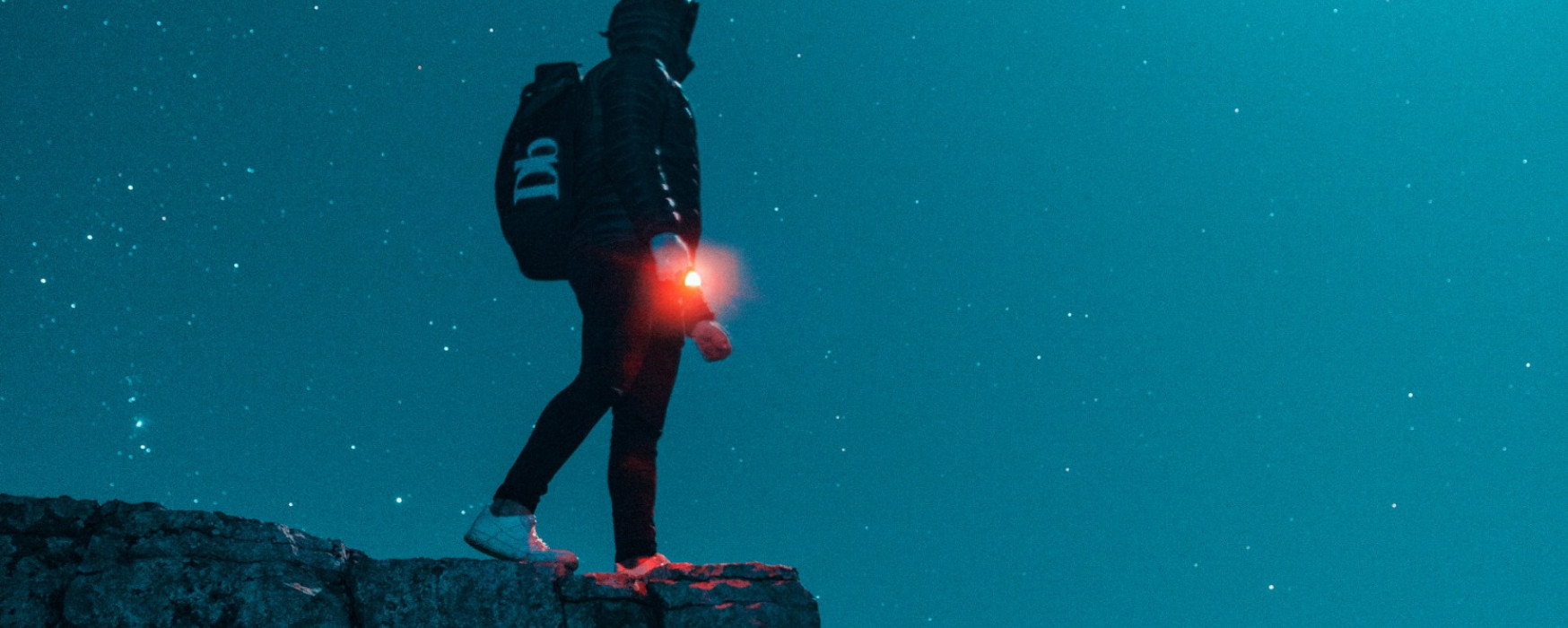
- Minimize Light Pollution: Use a red flashlight to preserve your night vision, and avoid using bright, white lights that can disrupt the dark environment.
- Respect Quiet Hours: Many stargazing areas are also peaceful retreats, so keep noise levels to a minimum.
- Keep to Designated Paths: If you’re in a protected area, be sure to stay on designated trails to avoid disturbing local wildlife or the natural landscape.
7. Capture the Moment
Stargazing can be a transformative experience, so it’s natural to want to capture the moment. If you’re an aspiring astrophotographer, you can photograph the stars with the right camera settings. A long exposure, wide aperture, and high ISO will help you capture the night sky’s full beauty.
But even if you're not into photography, it's worth taking a moment to simply appreciate the vastness of the universe. Set your phone down, look up, and lose yourself in the stars. There’s something humbling and beautiful about being under the same sky that countless generations have marveled at.
Conclusion
A starry night is more than just a beautiful scene—it’s an experience. Whether you're an experienced astronomer or a casual observer, stargazing on your travels can be an enriching way to connect with nature and the universe. With the right planning, equipment, and attitude, you can make the most of the night sky and enjoy a mesmerizing journey under the stars.