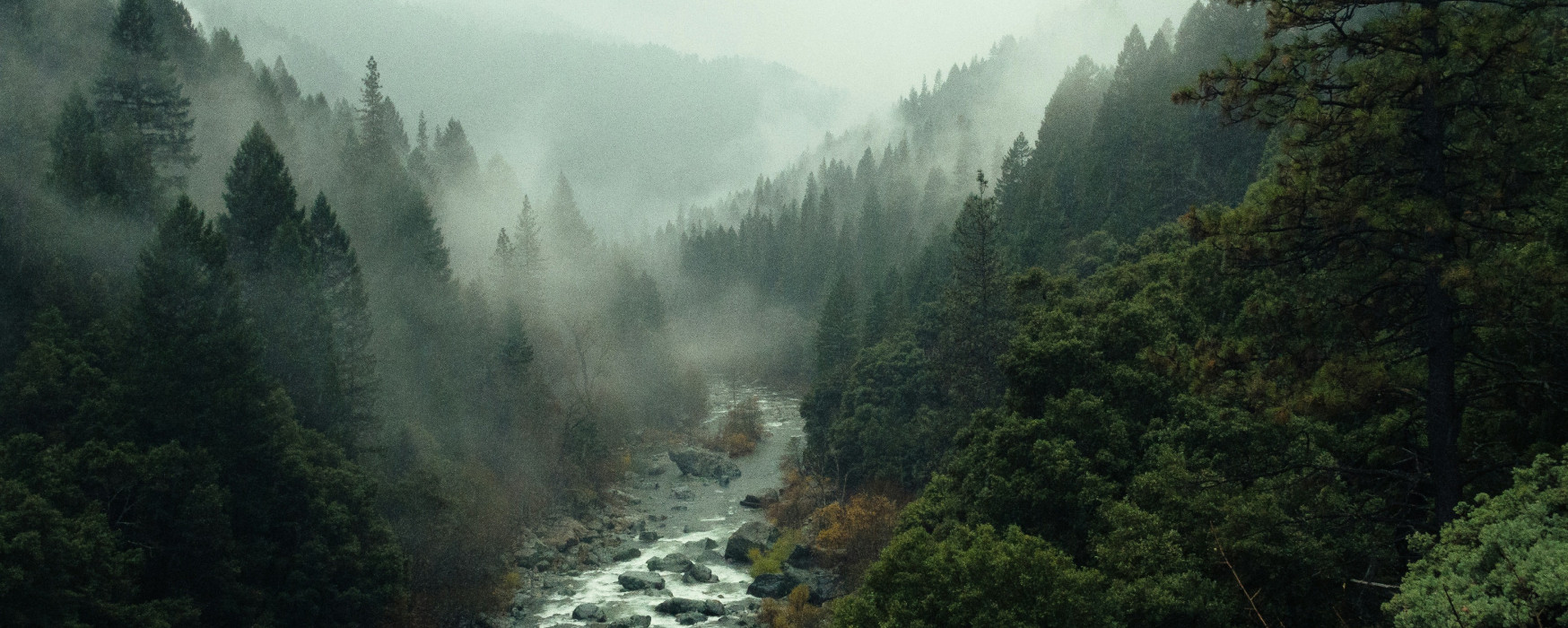
The Art of Long Treks: A Journey Beyond the Ordinary
Long treks are more than just extended walks through nature; they are transformative journeys that challenge the body, mind, and spirit. Whether traversing rugged mountain passes, winding through dense forests, or crossing expansive deserts, long treks offer unparalleled experiences and life-changing lessons.
Why Embark on a Long Trek?
- Connection with Nature: Spending days or weeks immersed in natural landscapes allows trekkers to disconnect from the hustle and bustle of daily life and develop a deeper appreciation for the environment.
- Physical Challenge: Long treks push the body to its limits, building endurance, strength, and resilience.
- Mental Clarity: The repetitive motion of walking and the simplicity of life on the trail foster mindfulness and mental clarity.
- Personal Growth: Overcoming obstacles on the trail can lead to increased confidence and a stronger sense of self.
Preparation is Key
Embarking on a long trek requires careful planning and preparation. Here are some essential steps:
- Research the Route: Understand the terrain, weather conditions, and potential hazards.
- Physical Training: Build stamina through regular cardio, strength training, and shorter practice hikes.
- Gear Selection: Invest in high-quality gear, including comfortable hiking boots, weather-appropriate clothing, and a durable backpack.
- Food and Water Planning: Plan meals and identify water sources along the route.
- First Aid and Safety: Carry a well-stocked first aid kit and know basic wilderness first aid techniques.
Iconic Long Treks Around the World
- Pacific Crest Trail (USA): Stretching over 2,650 miles from Mexico to Canada, this trail offers diverse landscapes, from deserts to alpine forests.
- Camino de Santiago (Spain): A historic pilgrimage route with various paths, the most popular being the Camino Francés, which spans approximately 500 miles.
- Annapurna Circuit (Nepal): A 128-mile trek through the Himalayas, offering stunning views of some of the world's highest peaks.
- Great Himalayan Trail (Nepal): One of the longest and highest trekking routes in the world, it spans over 1,000 miles.
- Te Araroa Trail (New Zealand): Covering 1,900 miles, this trail takes trekkers through diverse landscapes, from beaches to mountain ranges.
Tips for a Successful Trek
- Pace Yourself: Listen to your body and take breaks as needed.
- Stay Hydrated: Drink plenty of water to maintain energy levels.
- Pack Light: Only carry essentials to reduce strain on your body.
- Document the Journey: Keep a journal or take photos to capture memories.
- Respect the Environment: Follow Leave No Trace principles to preserve the natural beauty of the trail.
The Rewards of Long Treks
The physical exertion and challenges of long treks are more than matched by the rewards. Trekkers often describe a profound sense of accomplishment, breathtaking encounters with nature, and the forging of lifelong friendships on the trail. Beyond these tangible benefits, long treks offer a rare opportunity to disconnect from the modern world and reconnect with what truly matters.
Conclusion
Whether you're a seasoned adventurer or a novice seeking a new challenge, long treks have something to offer everyone. With proper preparation and the right mindset, they can become some of the most memorable and transformative experiences of your life. So lace up your boots, pack your gear, and set out on the journey of a lifetime.